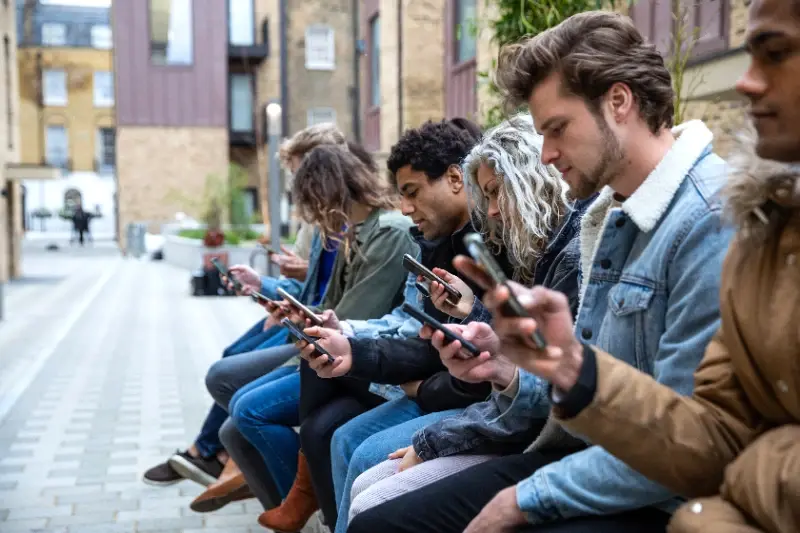
Picture yourself scrolling through your phone at the end of a long day. You open Instagram and see friends at a restaurant you've never tried, check LinkedIn to find colleagues celebrating new job promotions, then switch to TikTok where everyone seems to be part of some trend you missed. That nagging feeling creeping in? That's FOMO—and app developers know exactly how to use it.
Every notification ping, every red badge, every "limited time offer" is designed to make you feel like you're missing something important. I've spent years working with apps that master this psychology, and the results are both impressive and slightly unsettling. Users who experience FOMO don't just open apps more often; they become genuinely attached to them.
The fear of missing out drives more app engagement than any other psychological trigger we understand today
But here's what's interesting—FOMO isn't just about social media apps. Dating apps use it when they show you potential matches nearby. Shopping apps trigger it with flash sales and stock counters. Even fitness apps leverage FOMO by showing you what your friends achieved today. Understanding FOMO psychology isn't just useful for app developers; it's become essential for anyone wanting to build engaging digital experiences that people actually want to use.
Understanding FOMO Psychology
FOMO isn't just some trendy acronym that marketers made up—it's a real psychological response that's been around since humans started living in groups. When someone feels like they might miss out on something good, their brain sends out warning signals. It's the same feeling you get when you see your friends posting photos from a party you weren't invited to.
The psychology behind FOMO taps into our basic need to belong and stay connected with others. Our brains are wired to seek social acceptance; missing out on experiences makes us feel left behind or excluded. This creates what psychologists call "social anxiety"—that uncomfortable feeling that everyone else is having more fun than we are.
What Triggers FOMO in Our Brains
Several psychological triggers can spark FOMO responses in users:
- Scarcity—when something appears limited or running out
- Social proof—seeing what others are doing or buying
- Time pressure—feeling like an opportunity won't last long
- Exclusivity—being part of something special or invite-only
- Real-time updates—knowing things are happening right now
App developers have become quite good at recognising these triggers. They use them to create experiences that feel urgent and important—even when they're not really that urgent at all. The key is understanding that FOMO isn't about the actual experience; it's about the fear of being left out.
How FOMO Drives User Behaviour
FOMO psychology works like a powerful engine inside our brains, pushing us to act in ways we might not even notice. When people feel they might miss something important, their brains release stress hormones that create an urgent need to take action. This happens because our minds are wired to seek social connection and avoid being left out of the group.
In mobile apps, this translates into very specific user behaviours. People will check their phones more often, spend longer periods scrolling through feeds, and respond quickly to notifications. They'll also engage with content they might normally ignore—just in case it turns out to be important later.
The Social Validation Loop
User motivation becomes even stronger when apps combine FOME with social validation. When someone sees that their friends are active on a platform or participating in an event, the psychological pressure increases. This creates what we call a feedback loop: the more people engage, the more others feel compelled to join in.
App engagement spikes during these moments because users genuinely believe they need to act now or lose out forever. The fear becomes the driving force behind their digital habits, making them return to apps repeatedly throughout the day.
Track user behaviour patterns during limited-time events to see how FOMO impacts your app's engagement metrics—you'll often find significant increases in session length and frequency.
Building Engaging Features That Trigger FOMO
Now we get to the fun bit—actually building features that tap into people's fear of missing out. After working on hundreds of apps, I've noticed certain patterns that consistently drive engagement. These aren't manipulative tricks; they're thoughtful design choices that make users genuinely want to stay connected.
Time-Sensitive Content and Limited Availability
Stories that disappear after 24 hours work brilliantly because they create urgency. Users know they need to check in regularly or they'll miss something. Flash sales, limited-time offers, and countdown timers all use the same principle—scarcity drives action.
Live features are particularly powerful. Whether it's live streaming, real-time comments, or live polls, there's something about knowing it's happening right now that pulls people in. They can't pause it, save it for later, or catch up tomorrow.
Social Proof and Activity Indicators
Showing what other users are doing creates natural FOMO. "Sarah just completed this challenge" or "200 people are watching this right now" makes users feel like they're missing out on shared experiences. Push notifications about friend activity work well too, but use them sparingly—nobody likes a spammy app.
- Limited-time challenges or competitions
- Exclusive content for early users
- Real-time activity feeds
- Streak counters and progress tracking
- Social sharing with visible engagement
The key is making these features feel natural, not forced. People should want to engage because the experience genuinely adds value to their day.
The Ethics of FOMO in App Design
Right, let's address the elephant in the room—using FOMO psychology to boost app engagement isn't always squeaky clean. There's a fine line between creating exciting experiences and manipulating people's emotions for profit.
The darker side of FOMO in apps shows up when designers deliberately create anxiety or stress to keep users hooked. Think about those red notification badges that seem to multiply overnight, or countdown timers on purchases that reset mysteriously. These tactics work, but they can genuinely harm people's mental health and wellbeing.
Finding the Right Balance
Good app design should enhance people's lives, not control them. When we're building apps at Glance, we always ask ourselves: are we adding genuine value or just creating artificial urgency? There's a big difference between showing users what they might enjoy and making them panic about missing out.
The best apps make users feel empowered to make their own choices, not pressured into making quick decisions they might regret
Responsible FOMO Design
You can still use social psychology and user motivation principles responsibly. Focus on highlighting genuine opportunities rather than manufacturing fake scarcity. Give users control over their notifications and respect their boundaries. The goal should be creating positive engagement that users appreciate, not addiction they struggle to break. Using social proof without manipulation is absolutely possible when you prioritise authentic user stories over fabricated urgency.
Measuring FOMO's Impact on Engagement
Right, so you've built some brilliant FOMO-driven features into your app—but how do you actually know if they're working? This is where the rubber meets the road, and trust me, measuring FOMO's effectiveness isn't as straightforward as counting downloads.
Key Metrics That Actually Matter
Session frequency is your best friend here. Users experiencing FOMO will open your app more often, even if it's just for quick check-ins. Daily active users typically spike when FOMO features are working properly—people simply can't stay away. Time-sensitive notifications should show higher open rates than regular push messages; if they don't, something's not clicking with your audience.
User return patterns tell a fascinating story too. FOMO-driven apps often see users coming back within hours rather than days. Social sharing metrics are another goldmine—when people share time-sensitive content or limited offers, they're spreading that FOMO feeling for you.
The Tricky Bits
Here's what gets interesting though; measuring FOMO can be a bit like trying to measure anxiety—it's there, but users won't always admit to it in surveys. A/B testing works brilliantly here. Try the same feature with and without urgency elements, then compare engagement rates. The difference will surprise you—and give you solid data to work with moving forward.
Conclusion
FOMO psychology isn't just some trendy marketing buzzword—it's a real psychological driver that shapes how people interact with apps every single day. After working with hundreds of apps over the years, I've seen firsthand how understanding user motivation and social psychology can make or break an app's success. The apps that get it right create genuine value whilst tapping into that natural human fear of being left out; the ones that get it wrong end up feeling manipulative and lose users faster than they can acquire them.
The key thing to remember is balance. Yes, FOMO can boost app engagement significantly when used thoughtfully, but it should never come at the expense of user wellbeing or trust. The most successful apps I've worked on use FOMO elements to highlight genuine opportunities and connections rather than creating artificial scarcity or pressure. They make users feel included in something worthwhile, not anxious about what they might be missing.
If you're planning to incorporate FOMO psychology into your app design, start small and measure everything. Test how different approaches affect user behaviour and engagement, but more importantly, pay attention to how they make your users feel. The best apps create excitement and anticipation—not stress and compulsion. That's the difference between building something people love using and something they feel trapped by.