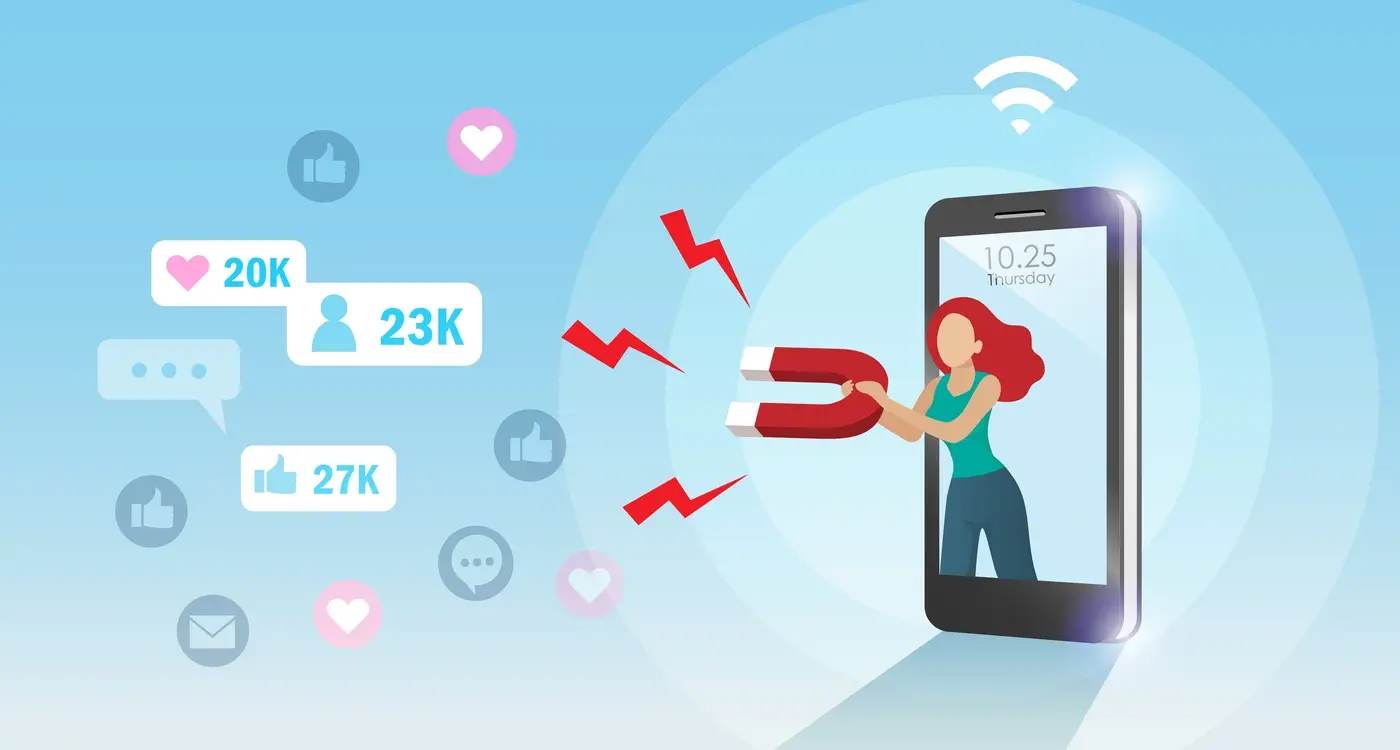
Have you ever wondered why you suddenly felt compelled to buy those extra lives in Candy Crush or upgrade to premium in that meditation app? There's more going on behind the scenes than you might think—your brain is being influenced by powerful psychological forces called cognitive biases.
These biases aren't some dark conspiracy; they're simply how our minds naturally work. We all have them, and they affect every decision we make, from choosing what to have for breakfast to making in-app purchases. Understanding these mental shortcuts can help both users and app developers create better experiences that feel genuinely valuable rather than manipulative.
The human brain processes an estimated 35,000 decisions per day, and cognitive biases help us navigate this overwhelming choice by providing mental shortcuts that speed up our decision-making process.
In my years working with mobile apps, I've seen how certain design patterns and psychological triggers consistently drive user behaviour. Some apps use these principles thoughtfully to guide users towards purchases that genuinely benefit them. Others? Well, let's just say they're not always acting in the user's best interests. The key difference lies in understanding what these biases are and how they work—that's where psychological triggers work in mobile commerce meets user psychology in the mobile space. When we know why our brains make certain purchase decisions, we can make more informed choices about the apps we use and the money we spend within them.
The Scarcity Trap
You know that feeling when you see "Only 3 left in stock!" and suddenly you want something more than you did five seconds ago? That's scarcity bias at work—and mobile app developers have been using this psychological trick for years to boost in-app purchases.
Scarcity makes our brains think something is more valuable simply because there's less of it available. It's one of the most powerful drivers of human behaviour, and apps use it in clever ways. Think about those limited-time offers that pop up with a countdown timer ticking away, or special items that are "available for 24 hours only." Your logical brain knows it's just a marketing tactic, but your emotional brain is already reaching for your wallet.
Time-Limited Everything
Gaming apps are masters of this technique. They'll offer you a special bundle that's "disappearing in 2 hours and 37 minutes"—complete with a bright red countdown timer that keeps ticking down. The fear of missing out kicks in hard; you start thinking you might regret not buying it later when it's gone forever.
Limited Quantities and Exclusive Access
Some apps create artificial scarcity by limiting quantities—"Only 50 players can unlock this character today"—or by making certain features exclusive to premium users. Dating apps do this brilliantly by limiting how many profiles you can swipe through, making you want that unlimited access even more.
The key thing to remember is that most digital scarcity isn't real scarcity at all. Apps can create infinite copies of digital items, but they choose not to because scarcity sells. Understanding this can help you make more rational purchasing decisions instead of falling into the scarcity trap.
Social Proof and Following the Crowd
Humans are social creatures—we look to others for guidance on what's normal, what's good, and what's worth doing. This tendency becomes incredibly powerful when it comes to purchase decisions within mobile apps. Social proof works by showing users that other people have already made the same choice they're considering.
The psychology behind this is simple: if everyone else is doing it, it must be the right thing to do. App developers use this bias by displaying download counts, user reviews, ratings, and testimonials prominently throughout their apps. When users see "Over 1 million downloads" or "Join 50,000 satisfied customers," they feel more confident about making that in-app purchase.
Common Social Proof Techniques in Apps
- Displaying total number of downloads or active users
- Showing recent purchase notifications from other users
- Featuring user-generated content and testimonials
- Highlighting popular or "most chosen" purchase options
- Using star ratings and review counts prominently
The "bandwagon effect" is particularly strong with in-app purchases. When users see that the premium version is the "most popular choice" or that "thousands of users upgraded this week," they're more likely to follow suit. This isn't manipulation—it's simply how our brains are wired to make decisions efficiently.
Position your most popular in-app purchase as the "recommended" or "most popular" option, and display recent purchase activity to create a sense of momentum and community.
App developers can leverage social proof ethically by being transparent about their user base and letting genuine customer satisfaction speak for itself. The key is authenticity—fake reviews or inflated numbers will backfire once users discover the truth.
The Anchoring Effect in Pricing
Here's something I've noticed time and time again when working with clients on their pricing strategies—people get stuck on the first number they see. It's called the anchoring effect, and it's one of the most powerful tools in a mobile app's arsenal for driving purchases.
When you open an app and see three subscription tiers, your brain immediately latches onto that first price point. Let's say you see £9.99, £19.99, and £29.99. That £9.99 becomes your anchor—everything else gets compared to it. The middle option suddenly looks reasonable, whilst the premium tier might seem expensive. But what if those same features were presented as £19.99, £29.99, and £39.99? Now that middle price doesn't look quite so appealing, does it?
The Psychology Behind the Numbers
App developers understand this psychology perfectly. They'll often introduce a deliberately expensive option first—not because they expect many people to buy it, but because it makes everything else look like better value. Your brain does the maths automatically; it can't help itself.
This isn't limited to subscription pricing either. In-app purchases use anchoring constantly. A game might show you a £99.99 coin bundle first, making that £4.99 starter pack seem almost free by comparison. The reality is that most revenue comes from those smaller purchases—the expensive option is just there to shift your perspective.
Next time you're browsing an app store or making an in-app purchase, watch how your mind reacts to that first price you see. Understanding this bias helps you make more informed decisions about what you actually need versus what just looks like good value.
Loss Aversion and Fear of Missing Out
Here's something that fascinates me about human psychology—we hate losing things more than we love gaining them. This cognitive bias is called loss aversion, and it's one of the most powerful forces driving in-app purchase decisions. When people think they might miss out on something good, they act quickly. Sometimes without really thinking it through properly.
App developers have become masters at using this bias. They create limited-time offers that disappear after a few hours. They show countdown timers that tick down to zero. They send push notifications saying "Your special deal expires soon!" All of this taps into our fear of missing out—or FOMO as it's commonly known.
Why This Works So Well
Our brains are wired to avoid loss. When we see something we want might disappear, we feel genuine stress about losing it. This stress pushes us to make quick decisions rather than logical ones. The psychology behind purchase decisions becomes less about whether we actually need something and more about not losing the opportunity to get it.
The pain of losing is psychologically twice as powerful as the pleasure of gaining
Common Examples You'll Recognise
Gaming apps often use phrases like "Don't miss out on this legendary weapon!" Dating apps show how many people viewed your profile recently. Shopping apps display how many items are left in stock or how many other people are looking at the same product. These tactics work because they make us feel like we're about to lose something valuable—even when we didn't know we wanted it five minutes ago. Understanding how to use social proof without manipulation helps explain why conversion psychology is so effective in mobile apps.
The Authority Bias and Trust Signals
We're naturally wired to trust experts and authority figures—it's been keeping us safe for thousands of years. When someone with expertise tells us something, we're much more likely to believe them without questioning it too much. App developers know this and use it to their advantage when encouraging in-app purchases.
You'll often see apps displaying badges from well-known companies, certificates from security organisations, or awards from industry publications. These trust signals work because they suggest that someone with authority has approved or recognised the app. Even simple things like displaying how many downloads an app has received can trigger this bias—high numbers suggest that many people (the collective authority) have chosen this app.
Expert Endorsements in Action
Gaming apps frequently use this technique by showing messages like "Recommended by top gaming websites" or displaying logos from famous gaming publications. Fitness apps might show endorsements from personal trainers or nutritionists. These signals make users feel more confident about spending money within the app because they believe experts have validated the quality.
Building Credibility Through Design
Professional-looking design elements also trigger authority bias. Apps with polished interfaces, clear typography, and consistent branding appear more trustworthy than those that look thrown together. Users often associate visual quality with product quality—and they're more willing to make purchases from apps that look professional.
The key thing to understand is that we often make purchasing decisions based on who we trust rather than what we actually need. When an app successfully establishes itself as authoritative or trustworthy, users become much more comfortable opening their wallets for premium features or additional content. This is where instilling confidence in your customers becomes crucial for long-term success.
Conclusion
Understanding cognitive biases isn't about manipulating people—it's about recognising how our brains naturally work when making purchase decisions. These mental shortcuts exist whether we acknowledge them or not, and they're constantly shaping how users interact with your app.
The seven biases we've explored work best when they feel natural and authentic. Scarcity creates urgency, but only when it's genuine; social proof builds confidence, but not when it's fabricated; anchoring guides choices, but loses power when it's obviously inflated. Users can sense when something feels forced or fake, and that destroys trust faster than anything else.
What makes conversion psychology particularly interesting in mobile apps is how these biases often work together. A limited-time offer (scarcity) with visible purchase counts (social proof) and a clear premium tier (anchoring) can be incredibly effective—but only if each element serves the user's genuine needs.
The key is balance. Push too hard and users will feel manipulated; be too subtle and the psychological triggers won't activate at all. This is where testing becomes your best friend. What works for one app might not work for another, and what resonates with one audience could completely miss the mark with a different demographic.
If you're designing an app or optimising existing in-app purchases, start with understanding your users' actual motivations. Why do they want your product? What fears or desires drive their decisions? Once you understand that, you can design experiences that align with how people naturally think—and that's when these cognitive biases become genuinely helpful tools rather than cheap tricks.