How many times have you rushed through a mobile app project only to discover problems weeks or months later that could have been caught early? I've been working in app development for over eight years, and I can tell you that skipping code reviews is one of the most expensive shortcuts teams take. It seems like a time-saver at first—your developers are coding fast, features are being pushed out quickly, and everyone feels productive.
But here's what I've learned from working with countless development teams: the quality risks that come from bypassing proper code reviews don't just disappear. They compound. What starts as a small oversight becomes a security vulnerability; a quick fix turns into a performance nightmare that crashes your app when users need it most. The development consequences can be devastating—not just for your budget, but for your users' trust and your team's morale.
The best time to catch a bug is before it reaches your users, but the second best time is during code review—not after your app has already launched
Every development team I've worked with thinks they're the exception to the rule. They believe their developers are too experienced to make mistakes, or their timelines are too tight to slow down for reviews. The reality? Those are exactly the conditions where code reviews become most valuable, not least important.
What Are Code Reviews And Why They Matter
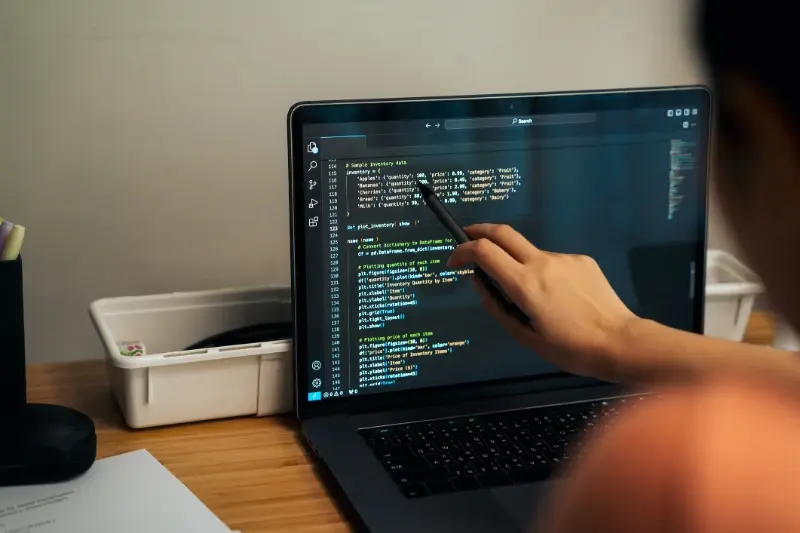
Code reviews are exactly what they sound like—one developer looking over another developer's work before it gets added to the main app. Think of it like having a mate check your homework before you hand it in, except the stakes are much higher and the homework could potentially crash someone's phone!
During a code review, a senior developer or team member examines the new code to spot bugs, check if it follows the team's coding standards, and make sure it won't break anything else. It's not about catching people out or being critical—it's about making the app better and helping everyone learn.
What Gets Checked During Reviews
- Does the code actually work as intended?
- Are there any obvious bugs or security holes?
- Is the code easy to read and understand?
- Does it follow the project's coding style?
- Could it cause performance problems?
- Will it be easy to maintain later?
Here's the thing—code reviews aren't just about finding problems. They're brilliant for sharing knowledge across the team. Junior developers learn faster, senior developers stay sharp, and everyone gets familiar with different parts of the app. When I work with teams that skip reviews, I can usually tell within minutes. The code quality is inconsistent, bugs slip through more often, and frankly, the whole development process feels more chaotic.
The Hidden Costs Of Poor Code Quality
Poor code quality in mobile app development doesn't just affect how your app works—it hits your wallet hard. When developers skip proper reviews and rush through coding, the financial consequences can be staggering. We're talking about costs that can easily triple your original development budget.
The most immediate cost comes from fixing bugs after launch. A single critical bug that makes it to production can cost up to 100 times more to fix than if it was caught during development. That's not an exaggeration—it's a reality I've witnessed countless times with clients who tried to cut corners.
What Poor Code Actually Costs You
- Emergency bug fixes that require immediate developer attention
- Lost revenue from users abandoning your app due to crashes
- Negative reviews that damage your app store ranking
- Extended development time for new features
- Higher maintenance costs as technical debt accumulates
- Potential security breaches that expose user data
One project manager told me their rushed mobile app launch ended up costing them £50,000 in emergency fixes within the first month. The quality risks they ignored during development became development consequences that nearly killed their startup funding round.
Track your bug-fixing costs separately from development costs. This gives you real data about how much poor code quality is actually costing your business.
Security Vulnerabilities From Rushed Development
When developers skip code reviews, they're basically leaving the back door wide open for hackers. I've seen this happen more times than I care to count—teams rushing to meet deadlines, pushing code straight to production without a second pair of eyes checking for security holes.
The scary part is that security vulnerabilities aren't always obvious. They hide in places like poorly validated user inputs, weak authentication systems, or data that gets stored without proper encryption. A fresh developer might not spot these issues, but someone doing a proper code review usually will.
Common Security Risks That Slip Through
- SQL injection attacks through unvalidated form inputs
- Weak password storage without proper hashing
- API endpoints that don't check user permissions
- Sensitive data transmitted without encryption
- Hard-coded API keys and passwords in the source code
What makes this worse is that fixing security issues after launch costs far more than catching them early. You're not just paying for development time—you might be dealing with data breaches, legal issues, and customers who've lost trust in your app. One startup I worked with had to rebuild their entire user authentication system because they'd stored passwords in plain text. That's the kind of mistake a simple code review would have caught immediately.
Performance Issues That Kill User Experience
When developers skip code reviews, performance problems slip through that can absolutely destroy how your mobile app feels to users. I've seen apps that take 10 seconds to load a simple screen—that's app store deletion territory right there. Without proper code review, inefficient database queries, memory leaks, and poorly optimised images make it through to production.
These performance issues create a domino effect. Your app becomes sluggish, battery life drains faster, and users get frustrated. One client came to us after their app's rating dropped to 2.1 stars; most complaints mentioned slow loading times and crashes. The root cause? Their development team was rushing features without reviewing code for performance bottlenecks.
We lost 40% of our daily active users in just two months because the app became unbearably slow after our latest update
The quality risks here are massive. Poor performance doesn't just annoy users—it actively drives them to competitors. When code reviews are skipped, developers miss obvious performance red flags like infinite loops, excessive API calls, or unoptimised algorithms. These development consequences compound over time, making your app progressively worse with each update. Performance problems are much harder and more expensive to fix after launch than catching them during development.
Technical Debt That Slows Future Development
Technical debt is basically borrowed time in code form—shortcuts that developers take to get something working quickly, with the promise they'll come back and fix it properly later. Without code reviews, these shortcuts pile up like unopened bills on your kitchen counter.
When teams skip reviews, they miss obvious opportunities to spot these quick fixes before they become permanent fixtures. A developer might hardcode a value instead of making it configurable, or copy and paste the same logic across multiple files rather than creating a reusable function. At the time, it feels like progress.
The Compound Interest Effect
Here's where it gets expensive. Each shortcut makes the next feature harder to build. That hardcoded value? Now it needs changing in twelve different places. Those copied functions? They all need the same bug fix applied individually. What should take two hours suddenly becomes two days.
I've worked on apps where adding a simple new button required changes across eight different files—not because the feature was complex, but because previous shortcuts had tangled everything together. The development team spent more time untangling old code than writing new features. Code reviews catch these issues early, when fixing them takes minutes rather than days. Without that safety net, every sprint becomes slower than the last.
Team Productivity Problems Without Proper Reviews
When teams skip code reviews, productivity takes a hit in ways that aren't always obvious at first. Developers end up working in isolation, creating their own little coding kingdoms without knowing what their teammates are doing. This leads to duplicated effort—you know, when two people build the same feature slightly differently because nobody caught it early on.
The knock-on effects are brutal for mobile app teams. Without reviews, junior developers miss out on learning opportunities from senior team members. They keep making the same mistakes, which means more bugs slip through to production. Senior developers get frustrated fixing problems that could've been prevented, and the whole team starts moving slower.
Communication Breakdown
Code reviews aren't just about catching bugs—they're about keeping everyone on the same page. When you skip them, knowledge stays trapped in individual developers' heads instead of being shared across the team. This creates dangerous knowledge silos that can really hurt your project if someone leaves or gets sick.
- Developers duplicate work without realising it
- Team knowledge becomes fragmented and isolated
- Junior developers miss learning opportunities
- Code inconsistencies slow down future development
- Bug-fixing takes longer without peer input
Set up lightweight review processes that don't slow your team down. Even a quick 10-minute peer review can catch major issues before they become expensive problems.
How Code Review Gaps Affect Long-Term Maintenance
I've worked on enough legacy codebases to know that the apps which skip proper code reviews become maintenance nightmares down the line. What starts as a small shortcut to save time ends up costing months of developer hours later—and that's being optimistic!
When code isn't properly reviewed, you end up with inconsistent patterns throughout your app. One developer might handle user authentication one way, whilst another does it completely differently. Six months later, when you need to update how login works, you're suddenly fixing code in twelve different places instead of one.
The Real Maintenance Challenges
Poor code reviews create several long-term problems that make your app harder to maintain:
- Inconsistent coding styles that confuse new team members
- Duplicated code that needs updating in multiple places
- Missing documentation that leaves developers guessing
- Poorly structured code that's difficult to modify
- Hidden dependencies that break when you change seemingly unrelated features
I've seen development teams spend 70% of their time just trying to understand existing code before they can make changes. That's not productive development—that's archaeology! The business owner who skipped reviews to launch faster ends up paying three times more for every new feature because the codebase has become so tangled.
Conclusion
After eight years of building mobile apps, I've seen what happens when teams skip code reviews—and trust me, it's never pretty. The quality risks stack up quickly, and the development consequences can be brutal. We've covered everything from security holes that hackers love to performance issues that make users delete your app faster than you can say "one-star review."
The thing is, most developers know code reviews are important. But when deadlines are tight and budgets are stretched, reviews often get pushed aside. That's when the real problems start. Technical debt builds up like unpaid bills; security vulnerabilities slip through unnoticed; performance suffers because nobody caught that memory leak.
Here's what I tell every client: code reviews aren't just about catching bugs—they're about building better mobile apps that actually work properly. Yes, they take time upfront, but they save you months of headaches later. I've seen too many projects fail because teams thought they could skip this step and get away with it. They rarely do.
The choice is yours: invest in proper code reviews now, or deal with angry users, security breaches, and expensive fixes later. Which sounds better to you?