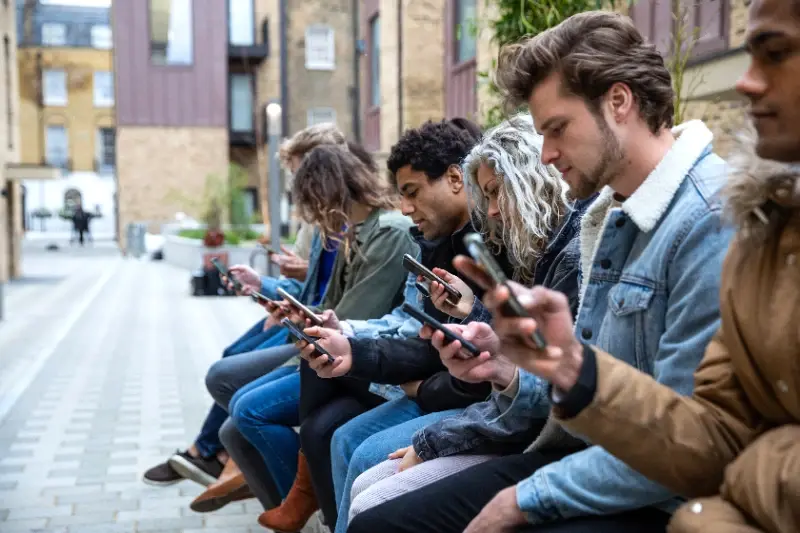
How many times have you picked up your phone today without really thinking about it? If you're like most people, the answer is probably somewhere between 50 and 150 times—and that's not by accident. The apps on your device have been carefully designed using principles from psychology to keep you coming back for more.
After building mobile apps for over eight years, I've seen firsthand how developers use cognitive biases to create experiences that feel almost impossible to put down. These aren't just clever design tricks; they're sophisticated psychological techniques that tap into the way our brains naturally work. The scary part? Most users have no idea it's happening.
The most successful apps don't just solve problems—they create habits that become harder and harder to break
Understanding these cognitive biases isn't about becoming paranoid about technology or avoiding apps altogether. It's about becoming a more aware user who can make conscious choices about how and when to engage with digital products. Whether you're a curious user wanting to understand why certain apps feel so compelling, or someone working in the industry who wants to design more ethical experiences, recognising these psychological patterns is the first step towards healthier relationships with our devices.
Understanding the Psychology Behind App Addiction
App addiction isn't really about willpower or self-control—it's about psychology. The smartest minds in tech have spent years studying how our brains work, and they've used that knowledge to make apps almost impossible to put down.
Our brains are wired to seek rewards and avoid missing out on good things. Apps tap into these basic human drives in ways we don't even notice. Every notification, every like, every new piece of content triggers tiny bursts of dopamine—the same chemical that makes us feel good when we eat chocolate or get a hug.
The Science Behind the Screen
When you open an app, your brain doesn't know the difference between a digital reward and a real one. That little ping from a message feels just as good as finding money in your pocket. App developers know this, and they design their products to keep triggering these feelings over and over again.
The tricky part is that once your brain gets used to these regular hits of dopamine, it starts craving them. This creates a cycle where you need to check your phone more and more often just to feel normal. It's not your fault—it's exactly what these apps are designed to do.
- Dopamine drives our desire to seek rewards
- Apps trigger dopamine release through notifications and interactions
- Regular use creates dependency on these digital rewards
- Our brains can't tell the difference between digital and real rewards
The Fear of Missing Out Trap
Fear of Missing Out—or FOMO as most people call it—is one of the most powerful cognitive biases that app designers use to keep us glued to our screens. It's that nagging feeling that something exciting might be happening without you, and apps have become masters at exploiting this basic human anxiety.
Social media apps are particularly clever at this. They'll send you notifications about what your friends are doing, show you limited-time stories that disappear after 24 hours, or highlight live events happening right now. The message is clear: if you don't check in immediately, you'll miss something important. Your brain interprets this as a genuine threat—what if everyone's talking about something and you're left out of the conversation?
Shopping apps use FOMO differently but just as effectively. They'll show you "only 2 left in stock" or "flash sale ends in 3 hours" to create artificial urgency. Gaming apps might offer daily rewards that reset if you don't collect them, making you feel like you're losing out by not playing every single day.
The psychological mechanism behind FOMO taps into our deep-seated need for social connection and our fear of being excluded from the group—something that would have been genuinely dangerous for our ancestors.
Notice when apps try to create urgency or scarcity. Ask yourself: is this genuinely time-sensitive, or is it designed to make me act without thinking?
Variable Rewards and the Slot Machine Effect
Think about the last time you pulled down to refresh your social media feed or checked for new messages. That little moment of anticipation—not knowing what you'll find—is exactly what app developers are banking on. This unpredictability taps into something called variable reward scheduling, and it's one of the most powerful tools in making apps addictive.
Your brain releases dopamine not just when you get a reward, but when you expect one might be coming. Social media apps exploit this brilliantly; sometimes you refresh and find nothing interesting, other times you discover a funny video or an important message. This randomness keeps you coming back because your brain never knows when the next "hit" will arrive.
The Psychology of Uncertainty
Gaming apps take this even further with loot boxes, daily rewards, and random power-ups. Each tap could bring something exciting—or nothing at all. This uncertainty creates a psychological loop that's incredibly hard to break. The more unpredictable the reward, the more compelling it becomes.
Dating apps use this same principle with match notifications and message alerts. You never know if that notification will be from someone interesting or just another promotional message, but the possibility keeps you checking constantly throughout the day.
Social Validation Through Digital Approval
Humans are wired to seek approval from others—it's been part of our survival instinct for thousands of years. Apps tap into this deep psychological need through likes, hearts, comments, and shares. Every notification becomes a tiny hit of validation that keeps us coming back for more.
Think about Instagram or TikTok for a moment. You post a photo and then find yourself checking back repeatedly to see how many people have liked it. That little red notification badge creates anticipation; will it be five likes or fifty? This uncertainty makes the reward even more powerful because our brains love surprises.
The average person checks their phone 96 times per day, often driven by the hope of social validation rather than actual necessity
Dating apps use this bias brilliantly—when someone swipes right on your profile, it triggers an immediate dopamine response. Gaming apps show leaderboards and achievement badges that let you compare your progress with friends. Even fitness apps use social features where you can share workouts and compete with others. The pattern is everywhere once you start looking for it. App developers understand that we don't just want to use their product; we want others to see that we're using it and approve of our choices.
The Power of Habit Formation
Apps don't just want you to use them once—they want to become part of your daily routine. The most successful apps understand something that psychologists have known for decades: habits are incredibly powerful and surprisingly easy to create if you know what you're doing.
Think about the apps you use without even thinking about it. You probably check your phone when you wake up, scroll through social media whilst having breakfast, or play a quick game during your coffee break. These aren't conscious decisions anymore—they're habits that have been carefully crafted by app developers.
The Habit Loop in Action
Every habit follows the same basic pattern: there's a trigger (like waking up), a routine (checking your phone), and a reward (seeing new notifications). Apps exploit this loop brilliantly by creating multiple triggers throughout your day and making the rewards just satisfying enough to keep you coming back.
The sneaky part is how apps make themselves the easiest option. They send push notifications at just the right moments, place their icons in prominent spots on your home screen, and make opening the app feel effortless. Before you know it, reaching for that app becomes as automatic as brushing your teeth.
- Push notifications act as external triggers
- App icons create visual cues on your home screen
- Quick loading times remove friction from the habit
- Small rewards reinforce the behaviour loop
Conclusion
After eight years of designing mobile apps, I can tell you that understanding cognitive biases isn't just academic—it's practical knowledge that shapes every decision we make. These psychological triggers are everywhere in the apps you use daily, quietly influencing your behaviour without you even realising it.
The fear of missing out keeps you checking notifications; variable rewards make you scroll endlessly through social feeds; social validation through likes and comments makes you share more content. Meanwhile, carefully crafted habit loops ensure you return to the same apps day after day. It's not magic—it's user psychology applied with precision.
Now, I'm not saying all app developers are sitting in dark rooms plotting to steal your attention. Most of us genuinely want to create products that people find useful and enjoyable. But there's a fine line between engagement and exploitation, and understanding these biases helps us stay on the right side of that line.
Whether you're building your first app or you're simply curious about why you can't put your phone down, recognising these patterns gives you power. You can make more informed choices about the apps you use and—if you're a developer—more ethical choices about the apps you create. Knowledge really is the best defence against manipulation.